

DIVING
Our home waters. Our daily classroom. Our greatest teacher.
Komodo National Park is not just one of the world’s best dive destinations — it is a living, breathing system shaped by powerful currents, changing seasons, and generations of local knowledge.
For us at Indo Aura, diving here is personal. These waters raised fishermen, guides, and captains long before they raised divers. Every site behaves differently depending on tides, moon phases, and wind direction. That’s why diving in Komodo is never “one-size-fits-all” — and why local planning matters.


1. Strong Current, Rich Life
Komodo sits between the Indian Ocean and the Pacific Ocean. This creates nutrient-rich currents that fuel one of the most biodiverse marine ecosystems on Earth.
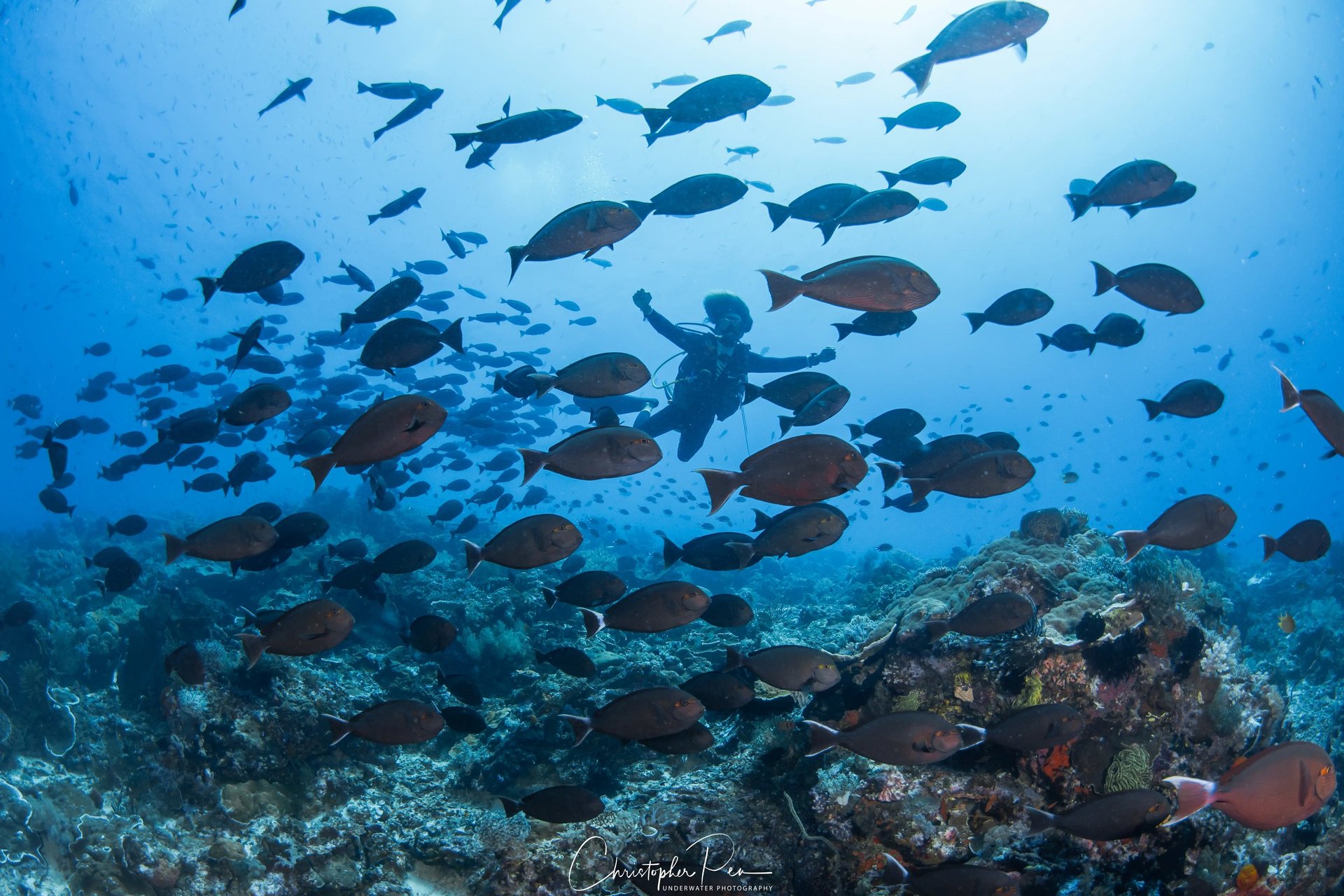
Large pelagics (manta rays, sharks, tuna)
Dense coral gardens
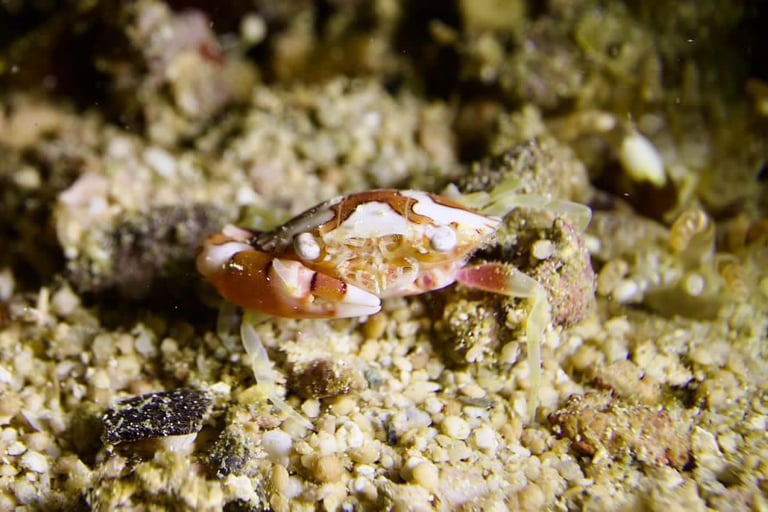
Macro life hiding in every crevice
Fast drifts and calm bays — sometimes on the same day
This is not aquarium diving. This is real ocean energy.
2. Diving That Changes With the Seasons
Komodo does not dive the same way all year.
Certain sites shine only during specific months
Visibility, temperature, and current strength vary
Some dive sites are better in the north, others in the south
We plan dives based on season, conditions, and your experience level, not fixed itineraries.
3. A Destination for Growth (Not Just Ticking Boxes)
Komodo is ideal for:
Divers ready to level up their skills
Photographers looking for dramatic underwater landscapes
Curious beginners who want guidance and patience
With the right planning, Komodo can be both thrilling and safe.

Who Komodo Diving Is For
Komodo is best enjoyed if you:
Are open to listening to briefings
Respect the ocean’s power
Trust local judgment over fixed plans
Whether you’re a newly certified diver or a seasoned explorer, the key is right timing, right sites, right guidance.

Popular Dive Sites
Komodo National Park is divided into several key diving regions. Each has its own character.
CENTRAL KOMODO
This is the heart of Komodo diving and where many classic sites are located.
Conditions:
Moderate to strong currents
Good visibility most of the year
Suitable for intermediate divers and above
Key dive sites:
Batu Bolong – Dramatic pinnacle, dense reef life, schooling fish
Police Corner – Coral sheer wall
Manta Point – Manta cleaning station
Tatawa Besar – Fun drift dives with healthy corals
Tatawa Kecil – Vibrant coral garden
Mawan – Known for manta encounters and relaxed dives
NORTH KOMODO
The north delivers adrenaline and abundance.
Conditions:
Stronger currents
Cooler temperatures
Best for confident divers
Key dive sites:
Castle Rock – Pelagic hotspot, sharks, trevallies
Crystal Rock – Explosive fish life, current-swept pinnacles
Golden Passage – High-energy drift dive, incredible density
Shotgun – Fast drifts with schooling fish and action
Lighthouse – Steep drift dive
SOUTH KOMODO
The south is raw, moody, and magical.
Conditions:
Colder water (thermoclines common)
Often lower visibility
Nutrient-rich, dramatic landscapes
Key dive sites:
Manta Alley – Seasonal manta aggregation
Cannibal Rock – One of Komodo’s most colorful reefs
Yellow Wall of Texas – Macro heaven with vibrant walls
German Flag – Soft corals, nudibranchs, rare critters
NEAR LABUAN BAJO
Ideal for courses, refreshers, and relaxed fun diving.
Conditions:
Milder currents
Warmer water
Short travel time
Key dive sites:
Sebayur Kecil – Coral slopes and calm drifts
Gindang – Soft coral garden
Wainilu – Famous muck dive for macro lovers
Ready to Dive Komodo the Right Way?
If you want:
Honest advice, not sales pressure
Locally guided planning
A dive experience shaped by the sea, not schedules
We’d love to help you plan.